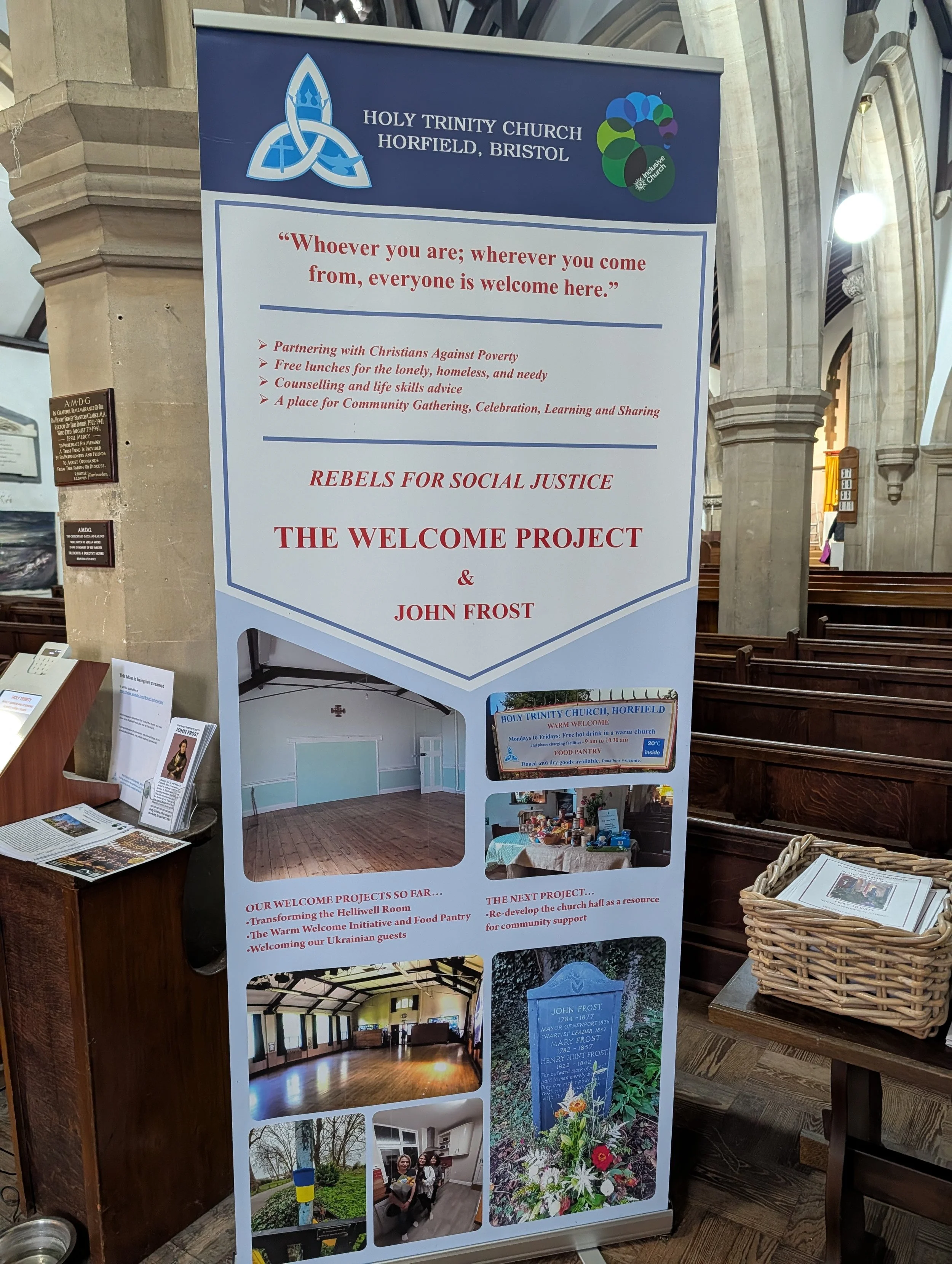
REBELS FOR SOCIAL JUSTICE
JOHN FROST
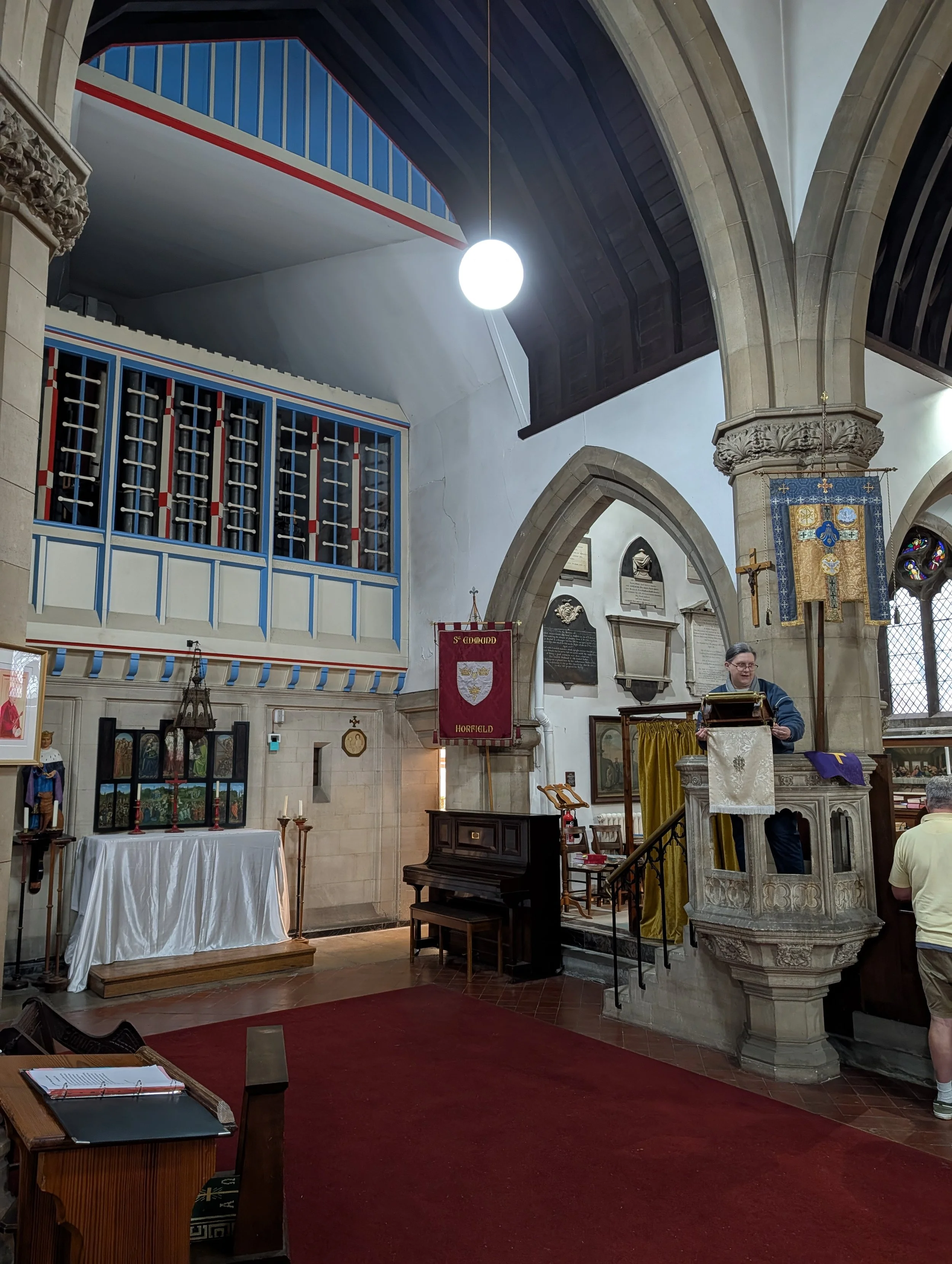
Holy Trinity is Bristol high church. My grandmother was ‘high church’ in that way that people come to define themselves, like Mormon or Catholic. The first thing I saw as I walked inside was a free standing banner and the words REBELS FOR SOCIAL JUSTICE, which I thought was an excellent first thing to read upon entering a church. The high church has the ceremony and ritual of the Catholic church—statues of Mother Mary, the formal liturgy and the sacraments—but with an Anglican twist. God is there in the word of God not in our church. We must seek forgiveness from within rather than absolution from without. But Mary is still there to give us courage while we pray.
Some industrious parishioners were in the church arranging the flowers for advent. They told me not to mention the C word.
I sat down to play a few improvisations, and for half an hour was transported to another world of stillness and emptiness.
Thank you for having me!
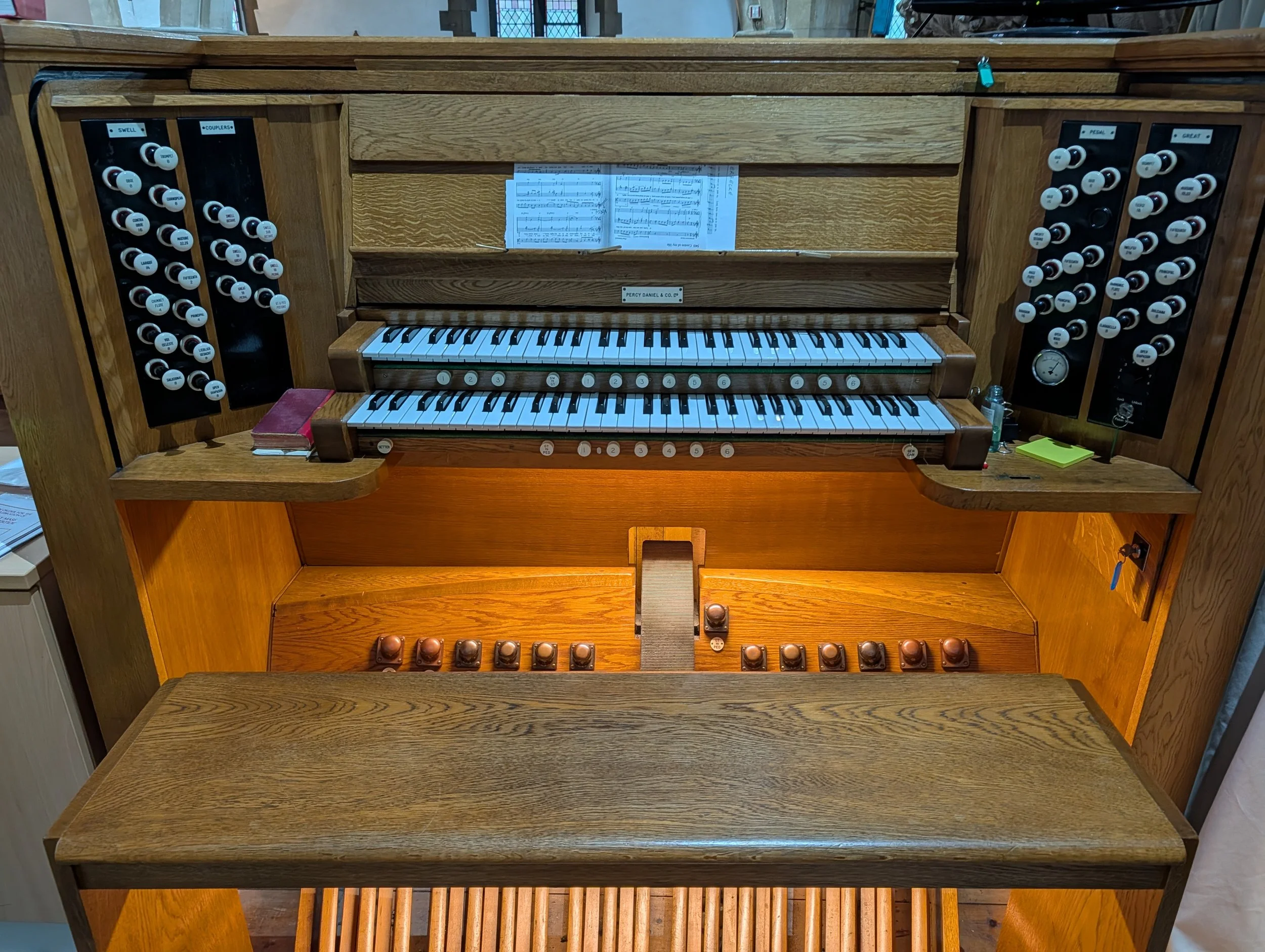
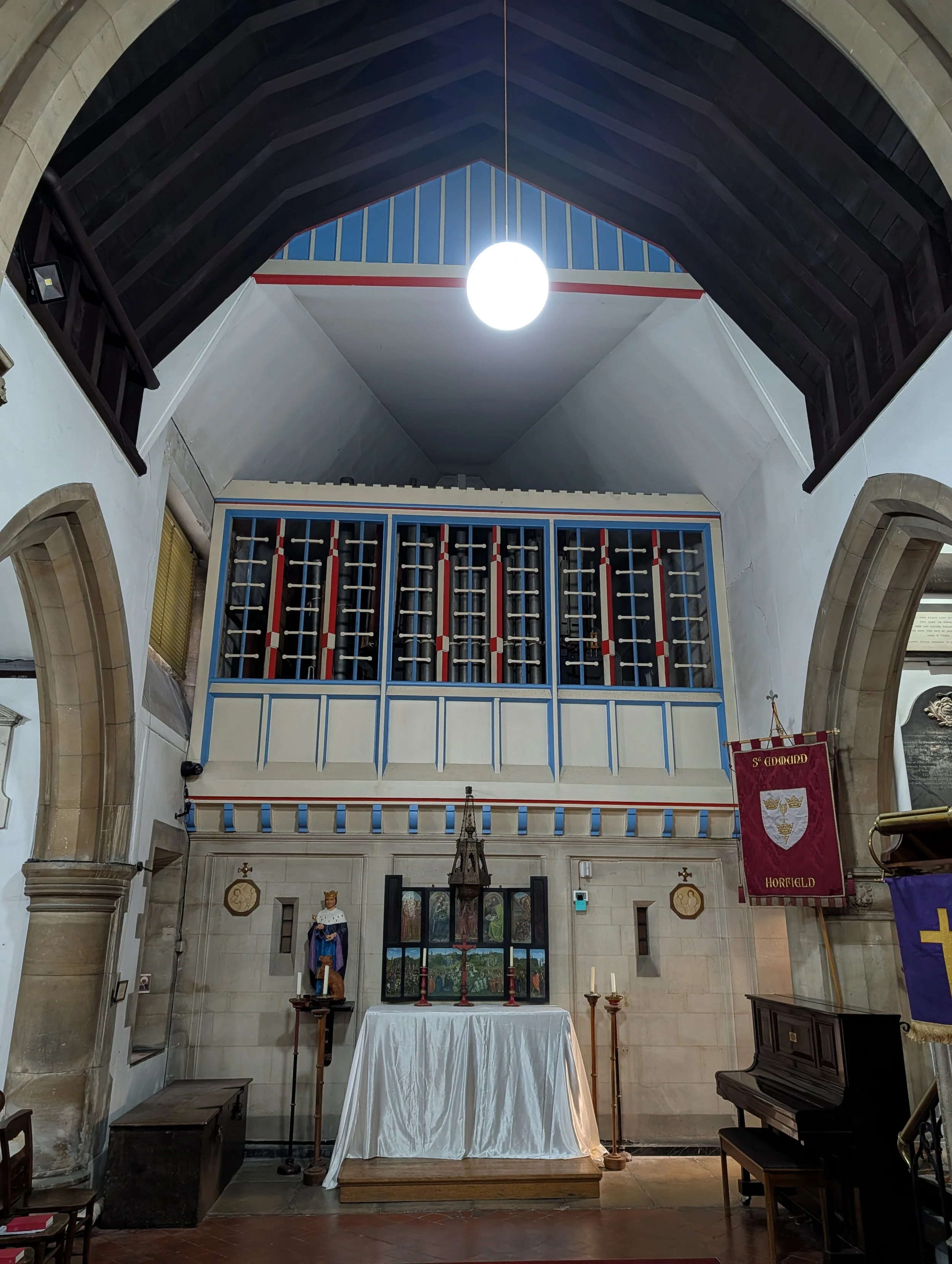
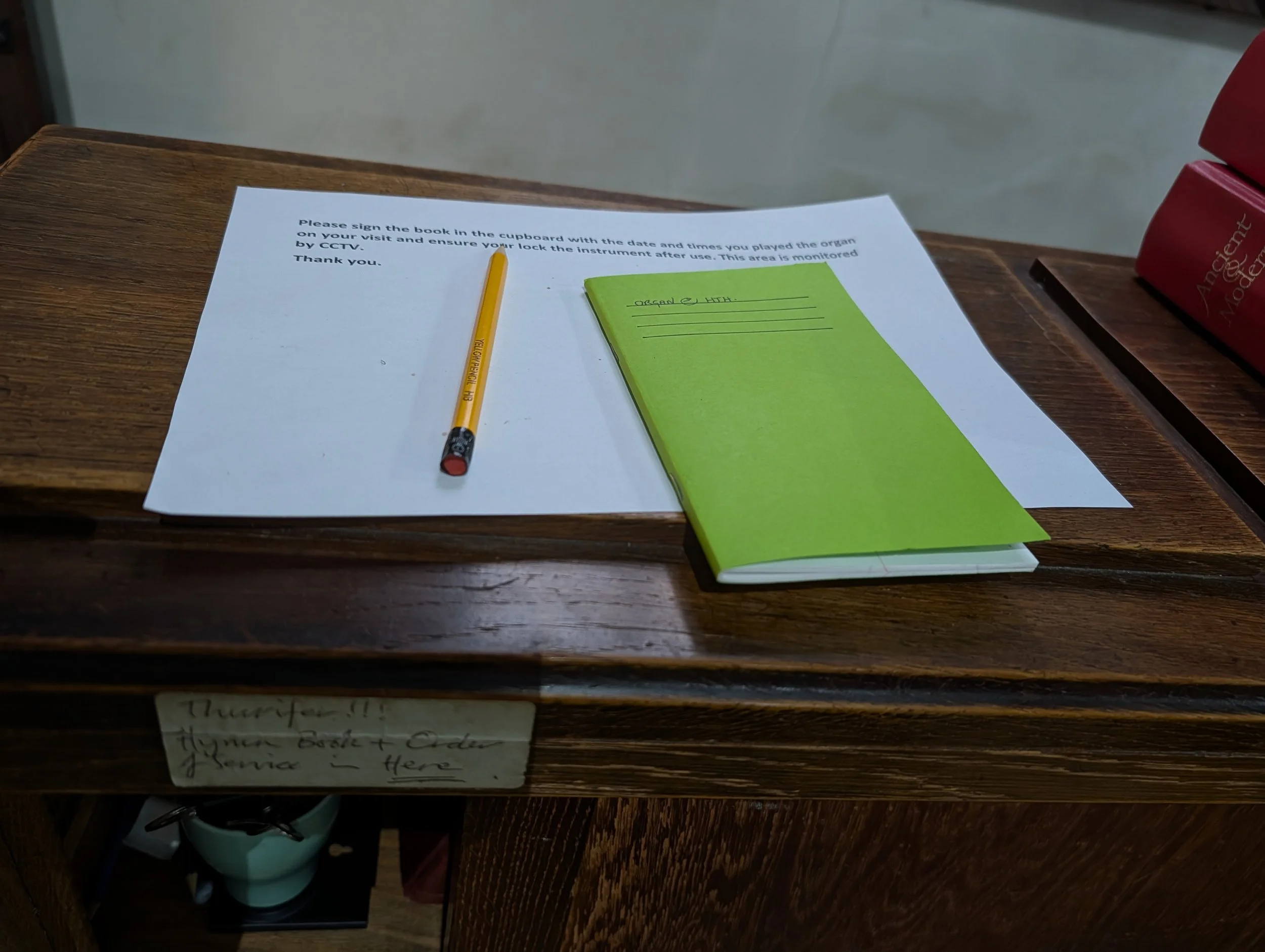
The organ was built by Percy Daniel & Co in 1973, and is one of the nicest sounding I have played in Bristol, especially on the diapason, Lieblich Gedacht and flute stops, which I found to be warm and shimmering in the quiet church. The church warden warned me that it had a vicious cabinet too, which meant I was able to avoid any unforeseen finger injuries.
You can listen to a song here.
Also featuring the Holy Trinity advent flower arrangers :-)
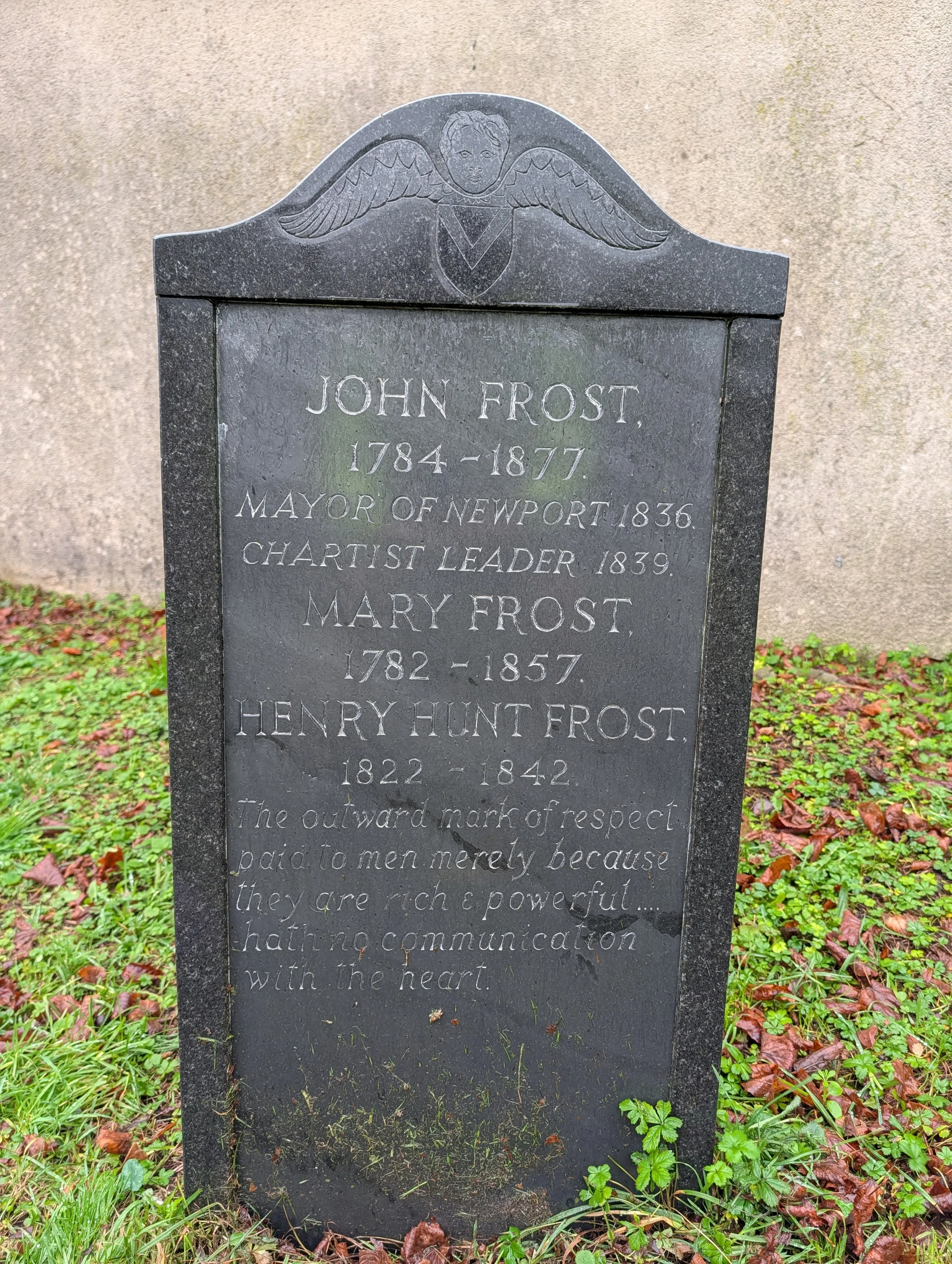
John Frost and the Chartists
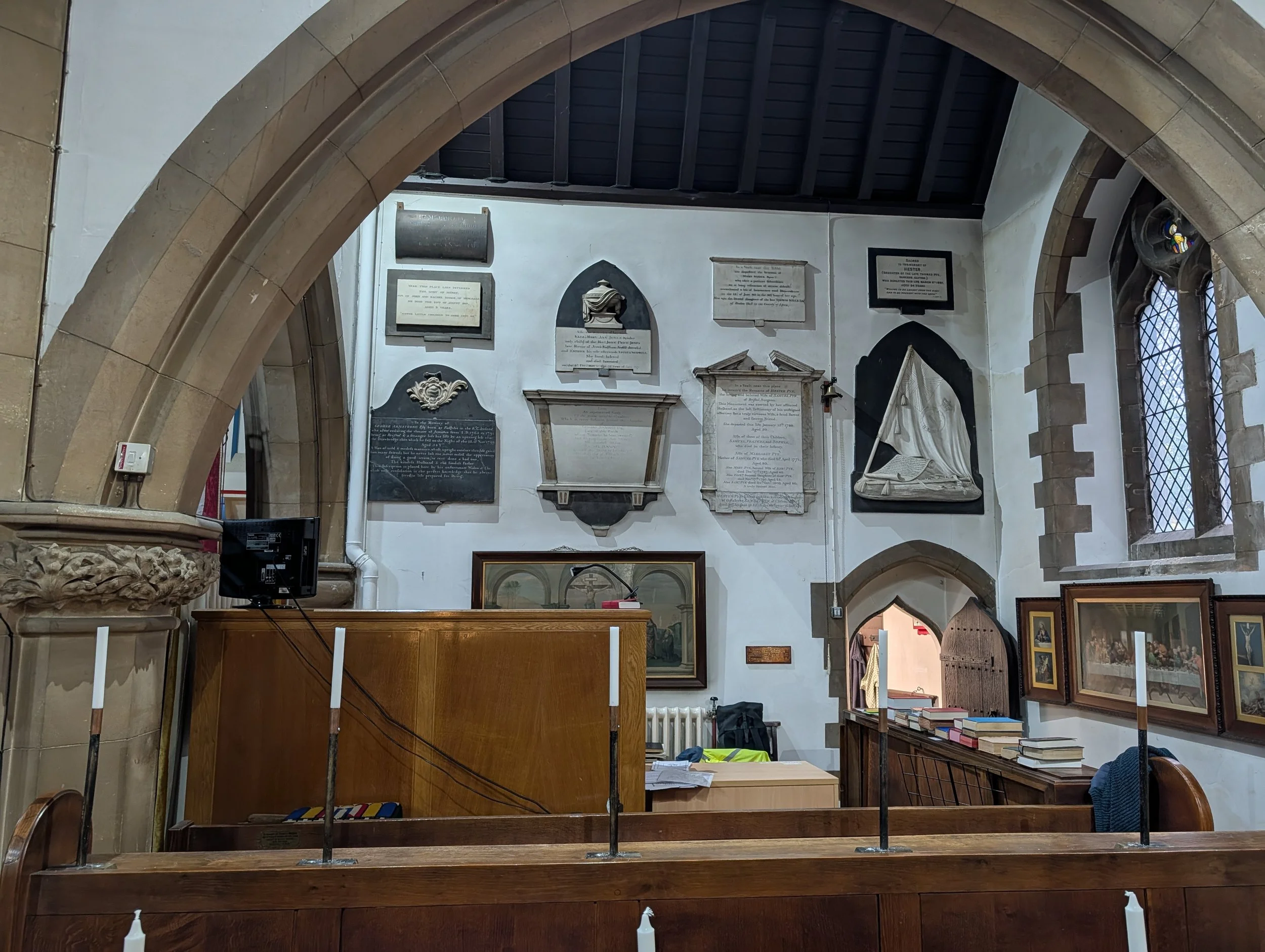
On my way out of the church I read the standing sign at the entrance, which told me that Holy Trinity was John Frost’s burial place. I had first heard the name visiting a friend recently, who told me about the Chartists and the Mayor of Newport while we walked in the Swansea rain.
Maybe Chartist is the C word.
They were originally London workers who got together in the early 1800s and started making demands for political reform. It was a revolutionary moment across Europe, and the movement spread around the British Isles, rapidly linking up with industrial workers in the Midlands, the North, Scotland and Wales.
The Houses of Parliament rejected the Chartist demands for democracy, and so, in 1932, the people took matters into their own hands. Led by John Frost, 4,000 sympathisers marched on Newport where they did battle with the army and police. The uprising was defeated and Frost was sentenced to be hung, drawn and quartered, though in the end he was sent to Tasmania, and after two years hard labour worked as a school teacher until being pardoned and heading back to Bristol, where he lived until he died.
REBELS FOR SOCIAL JUSTICE UNITE!
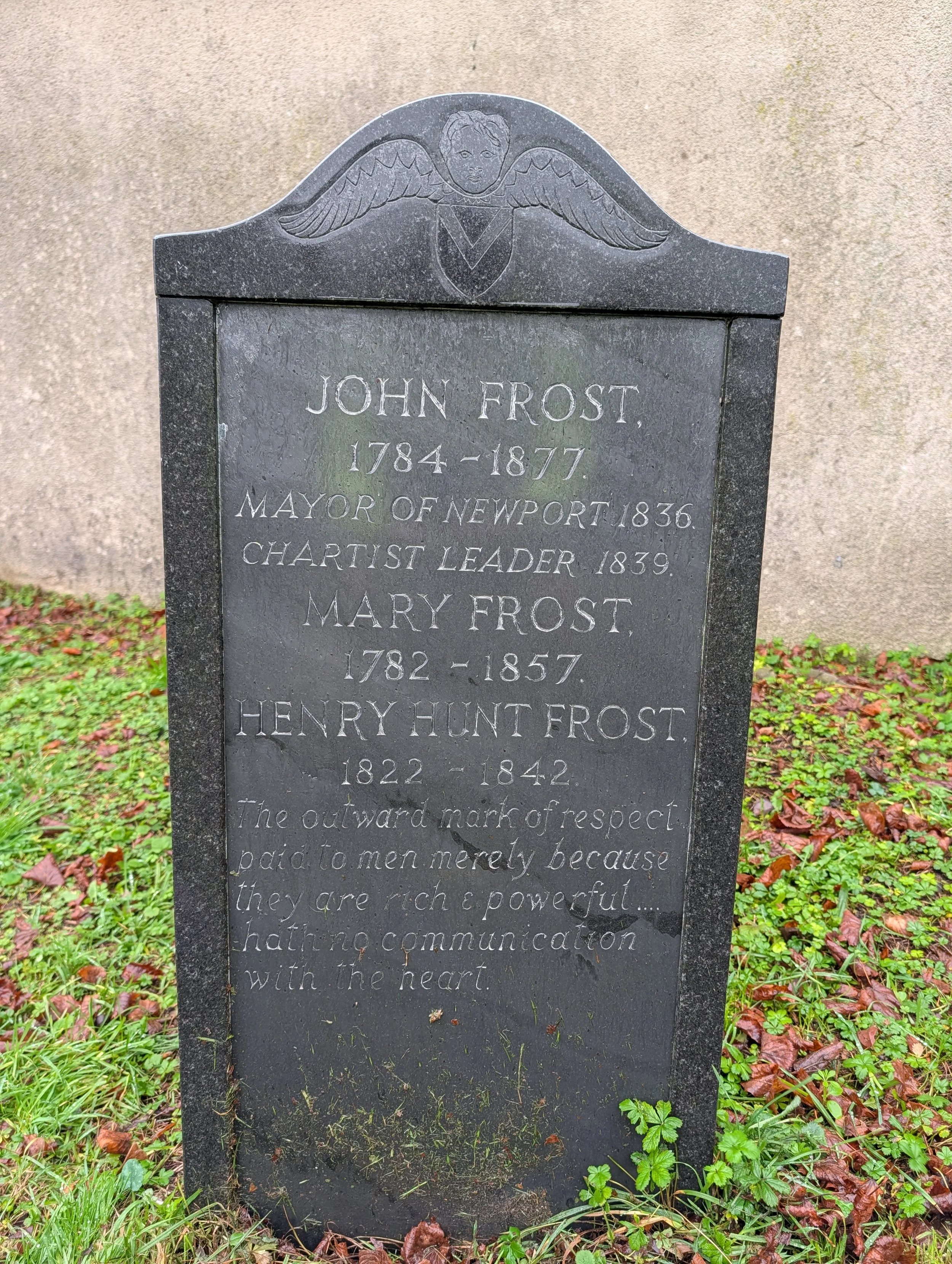
The entire history of the Chartists—a movement which died out having achieved none of its aims—is undeniably one of defeat.
But what are the histories of most workers’ movements throughout time if not histories of defeat?
“Revolution is the only form of 'war', and this is another peculiar law of history, in which the ultimate victory can be prepared only by a series of defeats”
Rosa Luxemburg
